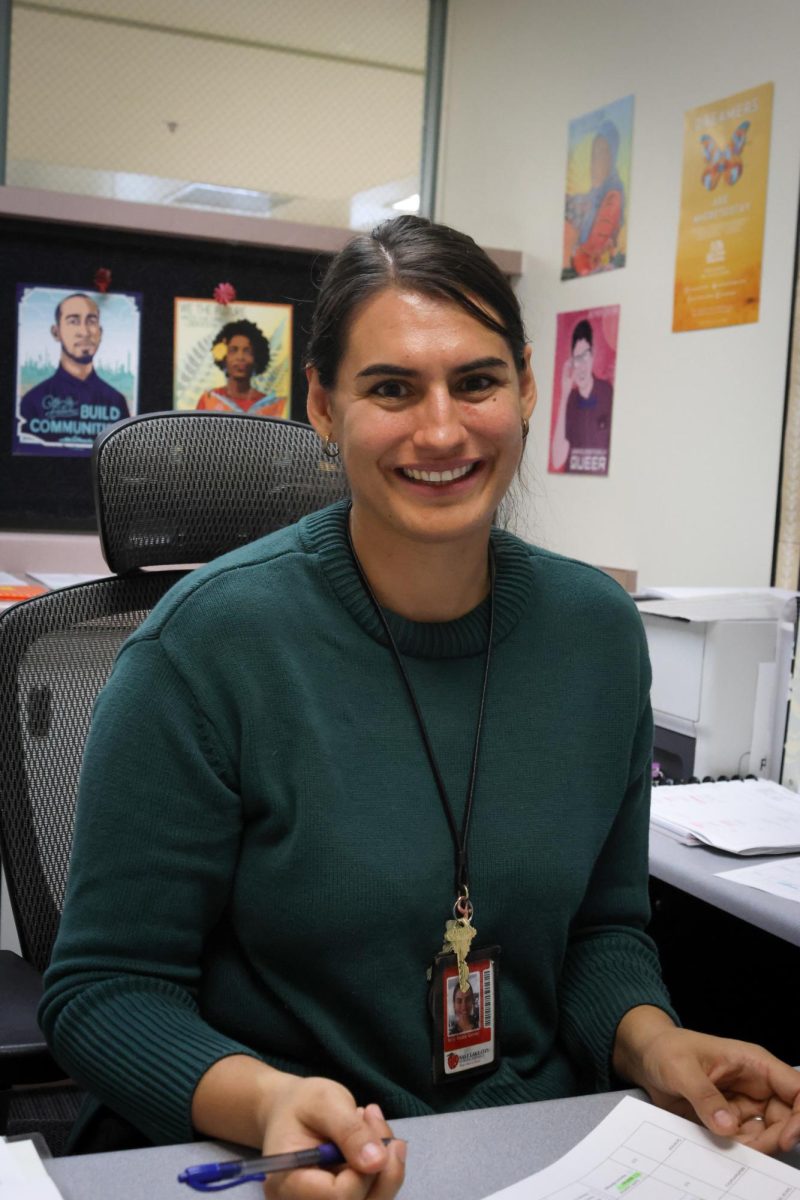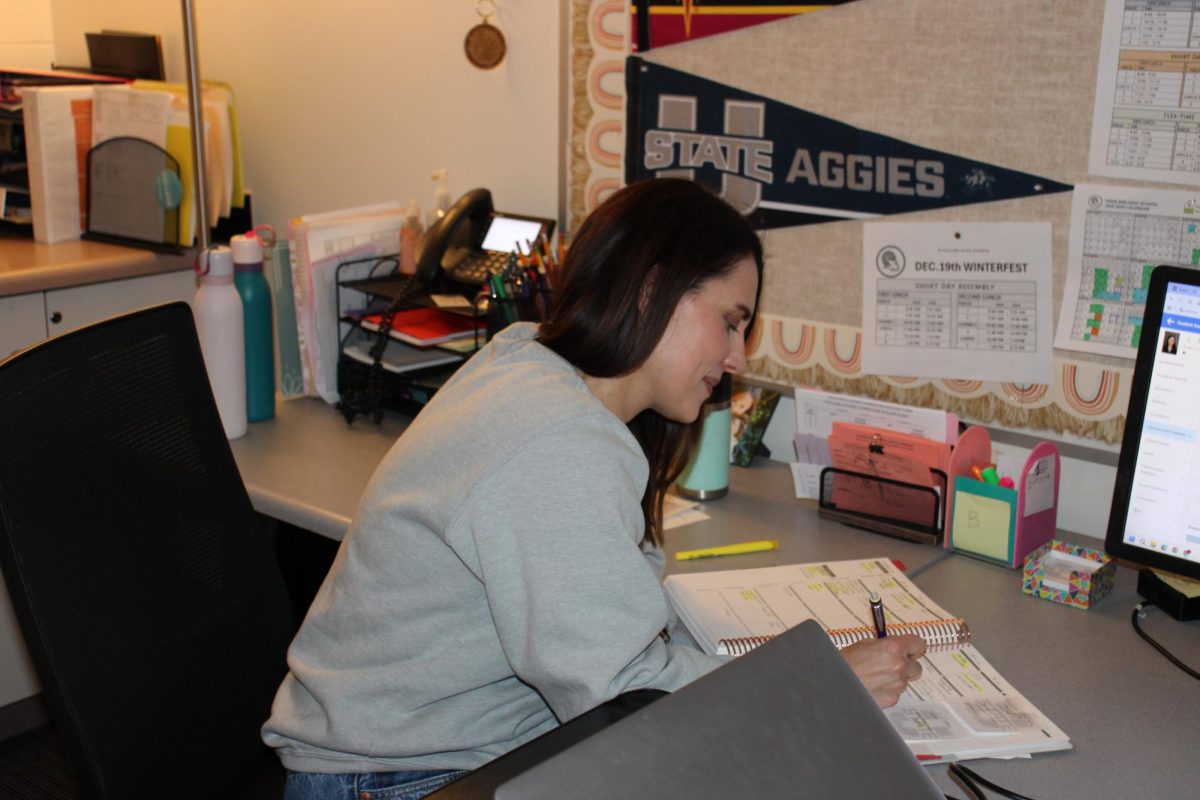
Soft music plays in the background as students step into Claudia Kassner’s office, a small but calming space that has become a safe place during overwhelming days. Whether a student is stressed about grades, anxious about friendships, or unsure about life after high school, Kassner welcomes them with honesty, warmth, and authenticity — qualities she believes are essential to being a good counselor.
Kassner has been a counselor at Highland for six years, but her experience in counseling has grown over the past 19 years. With both a counseling license and a mental health license, Kassner brings extensive knowledge and compassion to her role. For her, counseling is not about putting on a professional mask; it’s about being real.
“In order to be a good counselor, you need to be yourself,” Kassner said. “It’s a profession that if you wear a mask, you are not a good counselor. You have to be upfront with your students, with clients, and the people you work with.”
As a school counselor, Kassner’s role goes far beyond arranging classes. Her days are unpredictable.
“You never know what’s going to happen,” she said.
Although she enjoys being organized and having a plan, student needs, especially in crisis, often shift her schedule. Still, she adjusts, knowing that supporting students sometimes means letting go of structure.
Kassner helps students with academic planning, college preparation, and future goals. She works with 9th graders to create four-year plans and talks through career interests. Based on what she learns, she works on placing students in classes that align with their goals. She believes career pathways and hands-on learning are valuable tools to build new skills and help students discover whether a career path truly fits them. She always encourages students to follow their dreams, no matter the path.
Since Covid, Kassner has seen a significant rise in students seeking help for mental health concerns. Depression, anxiety, sadness, and difficulty forming friendships are some of the most common issues students come to her with. To help manage stress and anxiety, she uses coping mechanisms intended for each student’s needs. She often uses cognitive behavioral therapy (CBT) techniques, helping students identify the cause of their anxiety and what might be holding them back.
By asking open-ended questions and talking through situations, Kassner guides students towards solutions. She also uses grounding techniques, breathing exercises, and the five senses method to help students stay present. Her calming music is always playing, creating an environment where students can feel at ease.
“If students aren’t doing well mentally, it will be hard for them to succeed in school,” Kassner said.
Kassner describes herself as a counselor who genuinely wants to see her students grow. She uses her personality to be honest and direct while remaining supportive.
“I love, love, love my students,” Kassner said. “That’s why I’m a counselor, because I enjoy working with teenagers.”
Despite her passion, her job has challenges. Student stress can become overwhelming, as Kassner also manages her own stress. Her least favorite part of the job is paperwork. She believes that with less paperwork, she could spend more time having meaningful, in-depth conversations with students.
Outside of school, Kassner dedicates time to learning more about mental health and new subjects so she can better support students when preparing for college and life beyond high school.
With a love for reading, she became deeply interested in psychology. Most of the books she reads focus on psychology and self-improvement, as she enjoys learning new skills to expand her collection of knowledge. With this, she has become a better counselor to her students.
Kassner also prioritizes taking care of her own mental health. She describes herself as an outdoor person who enjoys staying active through exercise, yoga, and going to the gym.
“Hiking is one of my favorite ways to destress,” she said.
She also enjoys listening to calming music, which is something that clearly carries into her work environment.
Family is another important part of Kassner’s life. She is very close with her family, which includes her husband and her niece. They enjoy spending time together by watching movies and being outdoors, helping her maintain balance outside of her office.
At the heart of everything she does is her hope for students, to see them succeed, grow, and feel more confident in who they are. In the same way she encourages students to be true to themselves, Kassner models that same authenticity every day.