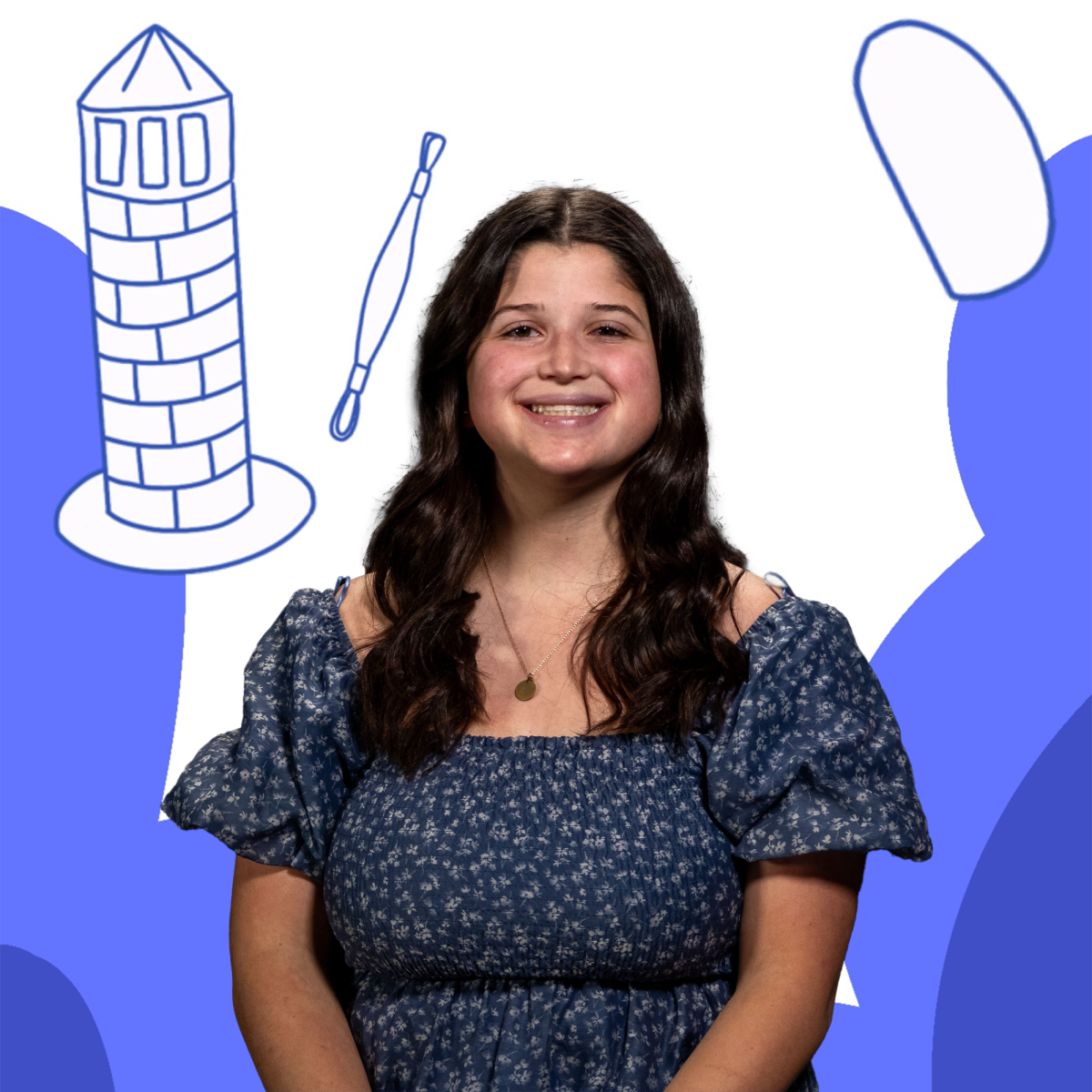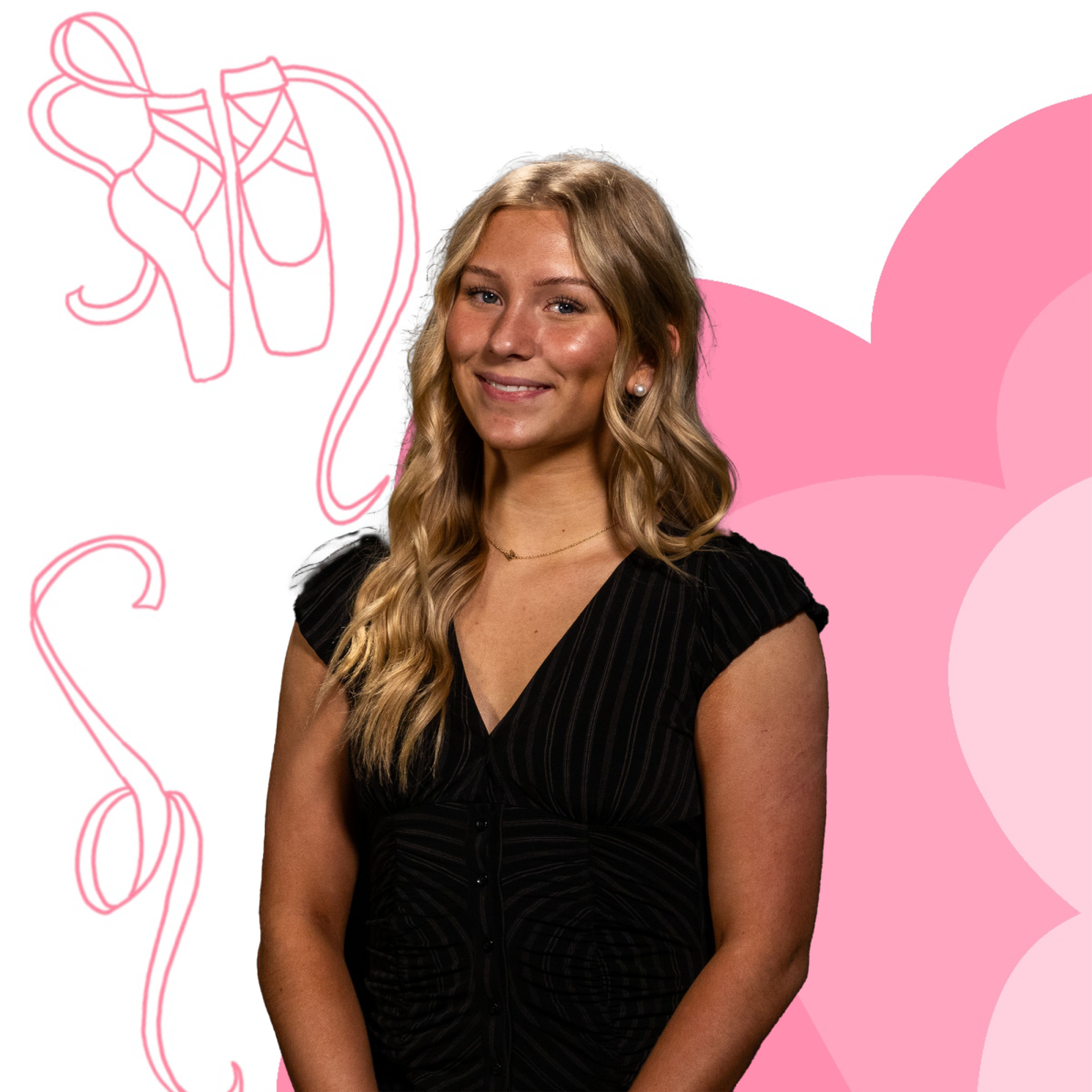
Emily Hicks remembers a two-year-old Lottie Hicks singing as music constantly played in their home. Once she was old enough to sing, the music never stopped.
Now, as a senior, Hicks is Highland’s 2026 Sterling Scholar in Instrumental Music. But she has added to her repertoire. Hicks still sings, but has become more focused on her piano skills after her parents required lessons when she turned five.
“I really didn’t know it was going to end up being as relevant in my life as it is now,” Hicks said.
Hicks is also a part of the International Baccalaureate (IB) diploma program. The two-year IB program is incredibly rigorous, and focuses on critical thinking, a skill that is simultaneously fostered by musical education.
Especially when beginning at a young age, music is extremely important for cognitive development. According to Merit School of Music, musicians have higher IQ scores, levels of concentration, emotional awareness, and creativity compared to non-musical peers.
Hicks went from the young girl singing around her house to playing piano at the prestigious Abravanel Hall. However, her progression in music wasn’t without its challenges.
“If you aren’t a serious musician, it’s difficult to understand how much time and dedication it really takes,” Emily said. “There have been a few occasions over the years where she felt upset about missing out on things and questioned her dedication to music.”
Hicks can’t even sleep in on weekends. She attends classes at the Gifted Music School on Saturdays and practices up to six hours a day. She’s faced her share of rejections from programs and competitions, as any artist has, while also being praised and awarded. It has been an up-and-down journey.
But she never gave up music. She sees it as a part of a person’s experience.
“I think music is the most accurate expression of human emotion,” Hicks said. “I really find music as a form of comfort and reassurance.”
As a teenager, the amount of devotion that Hicks has for music would easily exhaust the average student. Balancing a normal social life with the hours of practice and the demands of the IB program is no small task. Hicks is learning how to manage hanging out with her friends and trying to simultaneously live a ‘normal’ teenage life.
“I try to stay really focused throughout the day… That way, my night can be freed up to go to basketball games or grab a drink,” Hicks said. “I always need to remind myself to take a break and live in the moment every once in a while.”
Hicks’ incredible determination in both music and her studies make it no surprise that she was recognized for her skill.
“It means one thing for just your parents to be proud,” Emily said. “But another when you are recognized for your efforts by others!”
In the future, Hicks plans to attend college, studying piano performance, business, and minoring in Spanish. Hicks is open to other paths life may offer her, including opportunities to write music for films, something she has dreamed of doing for years.
An important quality in a musician is the willingness to try something new. For example, it can be overwhelming to listen to new genres other than conventional pop. However, genres that are less commonly listened to in America may provoke emotions or thoughts that aren’t covered in radio pop. To Hicks, it’s crucial to diversify your taste in music to achieve a broader perspective. It’s one of the things that helped her appreciate music the most, and over the course of her career, she’s learned so much.
“If I could give advice to younger musicians, I would say [to] get inspired,” Hicks said. “Go to a symphony, see a concert, listen to new genres of music. It’s easy to lose motivation… but having inspiration really helps.
Last spring, Hicks applied to the Colburn Summer Piano Seminar, an intensive summer camp at a top conservatory.
“I really didn’t think I’d get in, but the second I saw my acceptance, I knew I was a fully capable and talented musician,” Hicks said.