
Most athletes, especially high school and beyond, have an insatiable urge to win. Nobody likes to lose. Nobody likes putting in hours, days, weeks and more work, just to have their efforts turn in an ‘L’ in the standings.
“Do whatever it takes to win” is a classic coach line. Winning and losing is what propels sports, but there is one thing that turns that dial up a couple of notches when the time comes: rivalry games.
Rivalries are the lifeblood of sports. Rivalries keep players working hard for their entire careers just to get a shot at beating the team they hate. Rivalries can make or break hearts when emotions run high. The games can often be wacky, and any outcome is possible.
Yankees vs Red Sox, Ohio State vs Michigan, Lakers vs Celtics, Barcelona vs Real Madrid, it doesn’t matter the sport or where in the world, there is a rivalry that attracts more people than just the fans of those teams, and is often a highlight for that sports season.
People around Highland are no different. Rivalry is a huge deal in the 801. Highland vs East boasts one of the best and longest-standing rivalries in the state of Utah. The matchup, dubbed by Highland fans as “Freak East,” is one of, if not, the biggest game that gets played yearly in the Salt Lake Valley. Beyond high school, the University of Utah and BYU’s “Holy War” is one of the entire country’s fiercest rivalries. Both teams are typically very competitive with each other, and the games always get national attention.
Needless to say, people love their rivalries. Although, the unfortunate thing that is happening right in front of our eyes is the death of rivalries.
As time goes on in the US, and sports are becoming higher and higher in demand, athletes’ loyalties are changing. It’s becoming rare to see any person who is loyal to the team they play on or were drafted to; instead, athletes are becoming loyal more to money.
With teams being so willing to pay athletes such crazy amounts of money, it’s becoming more difficult yearly to maintain athletes, especially as they develop good talent. It’s becoming more and more common for athletes to simply sit out of team practices or activities when waiting for a massive contract extension. This practice has become almost expected in professional sports. Athletes sit and twiddle their thumbs and wait for their team to pay them the outrageous price that they find their skill to be worth, or they simply call for a trade to a team that won’t debate the cost and will sign the check without blinking.
But money is infiltrating lower and lower in the sports world. NIL, otherwise known as “Name, Image, and Likeness” is a college athletes personal brand, and it is the way the school pays players to play for their program. But NIL is killing college sports as we know it. Although NIL could be looked at as a chance for lesser-known programs to lock in some good recruits and build their brand nationally, it has turned into a way for the blue-blood squads to maintain their dynasty’s forever.
NCAA schools are no longer four-year homes for athletes, and instead have merely become a pit stop to either a bigger school, or the pros. Take UCLA quarterback Nico Iamaleava for example. During the 24-25 season, Iamaleava was a redshirt freshman for Tennessee where he had a very successful season. He led one of the most efficient offenses in the country, while also earning a berth to the College Football Playoff.
During the offseason, though, he demanded more NIL money from Tennessee, which they couldn’t afford to give. So Iamaleava packed his bags for California and a team worse than Tennessee, but that offered him more money.
NIL and the transfer portal are huge contributors to the slow demise of rivalry. In years past, players used to grow up more central to the schools that they went to, so they understood the meaning of rivalries a little more. Then after being recruited, players would stay at schools their entire college careers. This gave multiple years to develop a vendetta against that school’s rival. But with the rise of bounce around the country culture, players only know it’s a rivalry because they hear it from their coaches. Especially if they play for a team that is outside of the top 25 or Power 5 conferences (the 5 biggest/most dominant conferences in college sports).
Great rivalries are built on rich histories, mutual distaste, reoccurring intense matchups, and the pride of us vs. them. These are things that transfer players are missing out on. Athletes that are fresh to a program never lived through the history of the rivalry, they may only play a rival once in their career, and at that point it just becomes another matchup. The only pride is that of winning another game on the season, not of beating “The Team”.
Transfer culture is now slowly bleeding into high school sports, which is butchering the “old school” rise and fall of programs.
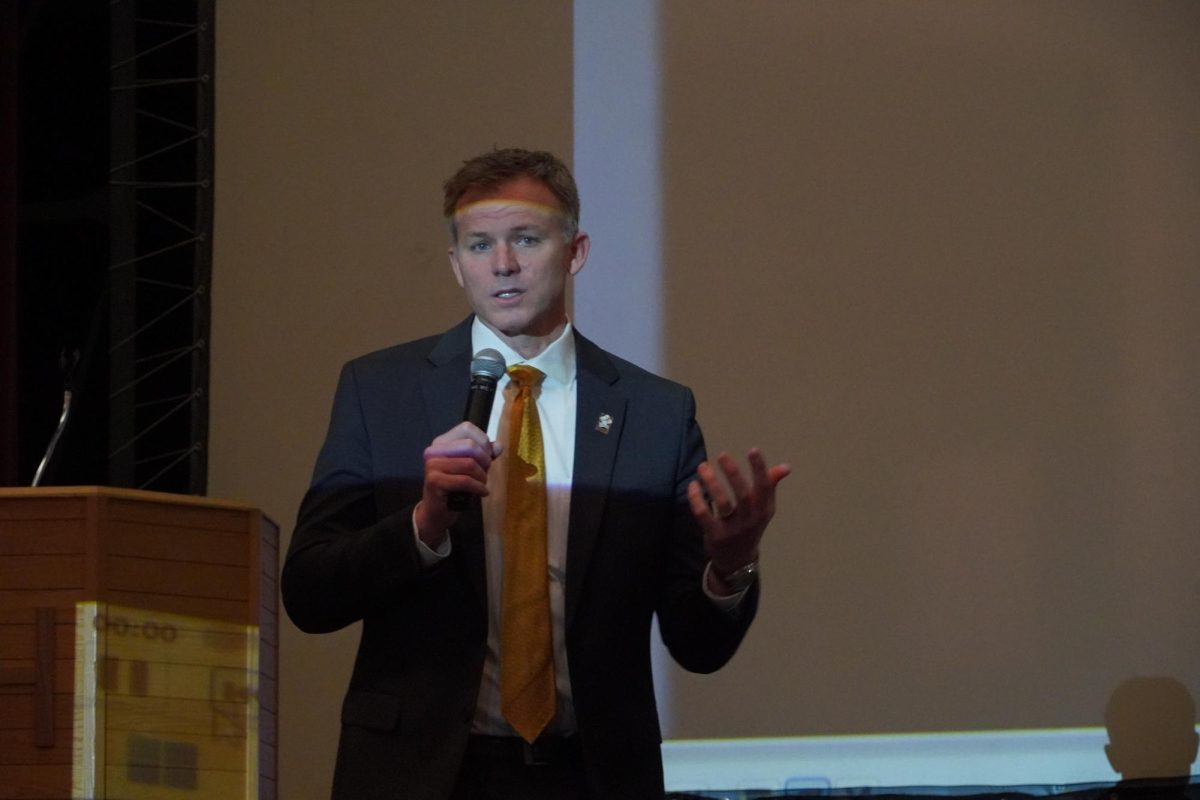
“Nowadays, you see kids going different places, transferring schools to play for the best teams,” Utah football defensive coordinator Morgan Scalley said. “Back then, you played where you grew up.”
Scalley is exactly right. In modern times, many young athletes primary concern has been graduating high school and moving on the college sports. The best way to get recognized is by going to a school that is going to make deep playoff runs, or has multiple other recruits getting scouted. What is now becoming commonplace is the birth of high school dynasties. In times past, a dynasty would’ve been purely based on a sturdy coaching staff that stayed for extended periods of time. Although this is still true, it has turned into which schools can recruit the best players from other high schools or out of middle school.
Corner Canyon’s quarterback the past two years was once the starter at Timpview. They also once had Jaxson Dart (former Ole Miss starter and current New York Giants QB1), who previously started at Roy.
High school recruiting has become almost a necessity if kids want to be on a team that can bring home a ring, or if they want to get recognized by college sports. Although these kids are just thinking about their future, the situation is turning out to be just like college sports. Rivalry is just becoming a thing of the past as the transfer portal becomes a way of life.
What is unfortunate is the teams that are unable to compete moneywise, or haven’t built a blue-blood legacy inside their program, will ultimately get left behind as time goes on.
Rivalry is a necessity in sports. Even though rivalries will always technically exist, they are getting less and less potent and hateful due to the new cultures of sports. Eventually rivalries will be nothing but a memory shared by older fans. Rivalries are powerful for everyone involved, but as generations evolve, we may never see a real rivalry again.